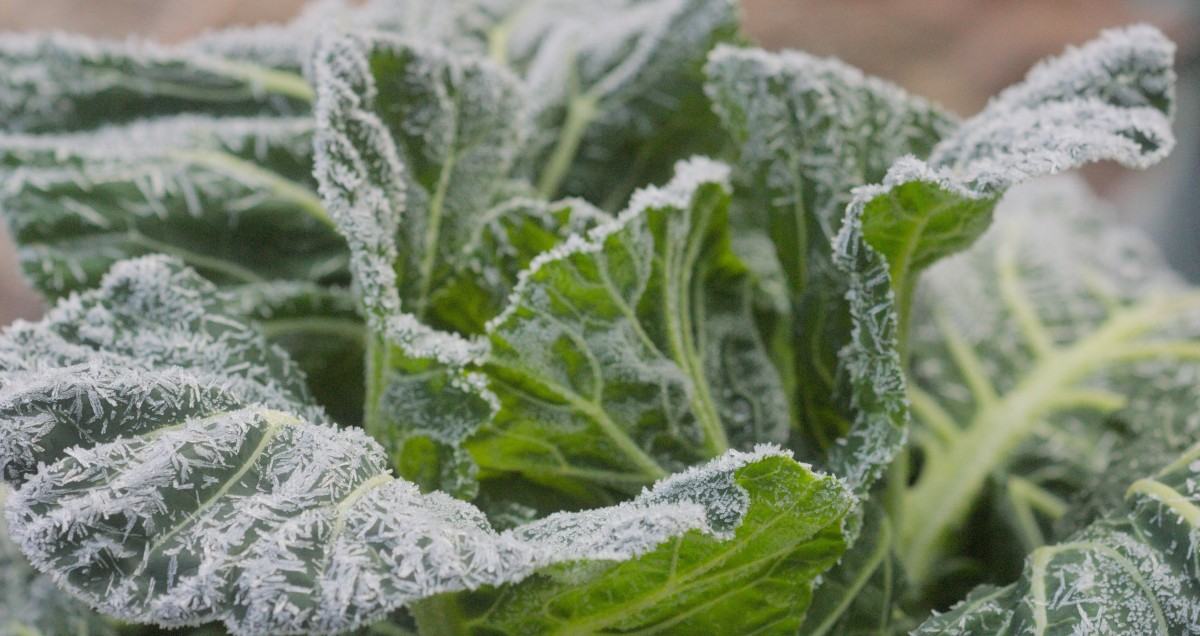
Sudden or particularly low freeze and frost conditions affect many of our fruit crops and also some early vegetable production already under way in high tunnels or other forms of winter production. At the most extreme freeze events, options for saving many crops are limited, but this NC State resource below outlines protection options via row covers combined with overhead irrigation.
For those of you with semi-hardy crops (strawberries, cabbage, broccoli, etc.) already planted in your fields when freeze events hit, and access to both row covers and overhead irrigation, an excellent resource on frost protection methods can be found at Dr. Barclay Poling's strawberry update:
https://strawberries.ces.ncsu.edu/2016/04/awis-multi-state-detailed-hourly-forecast-for-md-va-sc-ga/
As Dr. Poling notes, successfully protecting the blossoms of June-bearing strawberries during windy, freezing conditions requires both heavy row cover material (~1.5 oz./yd.) and sprinkler-irrigation during the entire period of the freeze.
For more information on other fruit crops and how one can plan ahead of springtime freezes and also then to recover from calamitous freeze events, please email Richard Boylan at richard_boylan@ncsu.edu or call the Watauga Extension office at 828-264-3061.